Your toddler isn’t picky; they’re a tiny CEO running a high-stakes taste test with very strict standards. One minute they’re obsessed with peas, the next they’re launching them like confetti. The secret?
Offer fast, colorful, soft-textured lunches that hit nutrition goals without requiring you to audition for a cooking show. Below are simple, mix-and-match toddler lunch ideas for 1-year-olds that work in the real world—where naps are short, appetites are weird, and messes are guaranteed.
Why This Recipe Works
Think of this as a lunch blueprint, not a single dish. It’s built around 3 parts: soft protein, easy carbs, and produce (fresh or cooked).
This combo fuels growth, stabilizes energy, and keeps you from becoming a short-order cook.
Textures are toddler-friendly: soft, bite-sized, and easy to gum, even for late teethers. Flavors are simple but not boring—gentle seasonings, mild sauces, and dips for curiosity. And most of these ideas are 5–10 minutes from fridge to high chair.
That’s the win.
What You’ll Need (Ingredients)
- Proteins: Shredded rotisserie chicken, soft scrambled eggs, hummus, cottage cheese, tofu cubes (pan-seared or steamed), canned salmon or tuna (low sodium, well-drained), turkey meatballs, Greek yogurt
- Carbs: Whole wheat pita, mini tortillas, cooked pasta (small shapes), quinoa, rice, soft bread, sweet potato, oatmeal patties (leftover oatmeal pan-seared), whole grain crackers (low sodium)
- Produce: Avocado, cucumber (peeled and deseeded), cherry tomatoes (quartered), peas, carrots (steamed), zucchini (steamed or roasted), berries (quartered), banana, mango, apple (steamed), pear (ripe, thinly sliced), spinach (finely chopped)
- Fats & Flavor: Olive oil, unsalted butter, tahini, mild cheese (mozzarella, cheddar), cream cheese, unsweetened applesauce, lemon juice, mild salsa, no-salt seasoning, fresh herbs (dill, parsley)
- Dips & Spreads: Hummus, yogurt + tahini, avocado mash, smooth nut or seed butter thinned with yogurt or water
How to Make It – Instructions
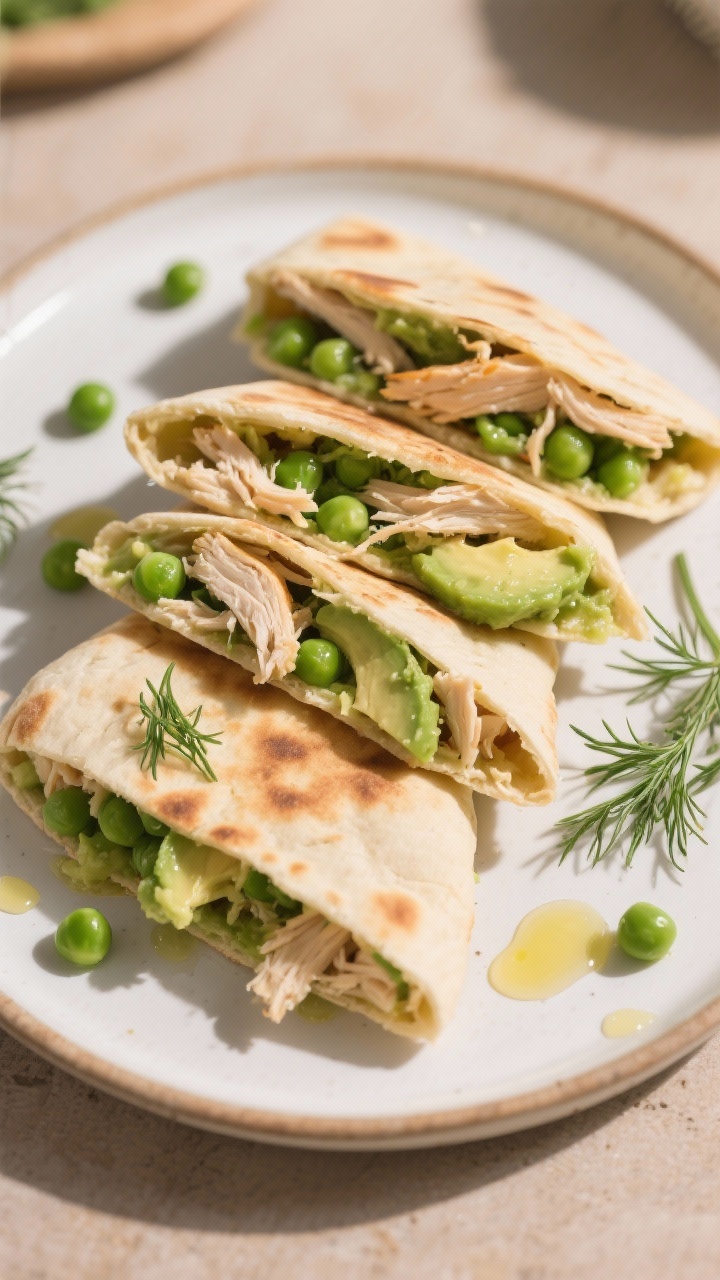
- Chicken Veggie Pita Pockets: Stuff small pieces of whole wheat pita with shredded chicken, mashed avocado, and steamed peas. Drizzle with olive oil and a pinch of dill. Cut into toddler-friendly strips.
- Eggy Rice Bowl: Cook soft scrambled eggs in a little butter.
Serve over warm rice with finely chopped spinach and a spoon of yogurt. Add a squeeze of lemon for brightness.
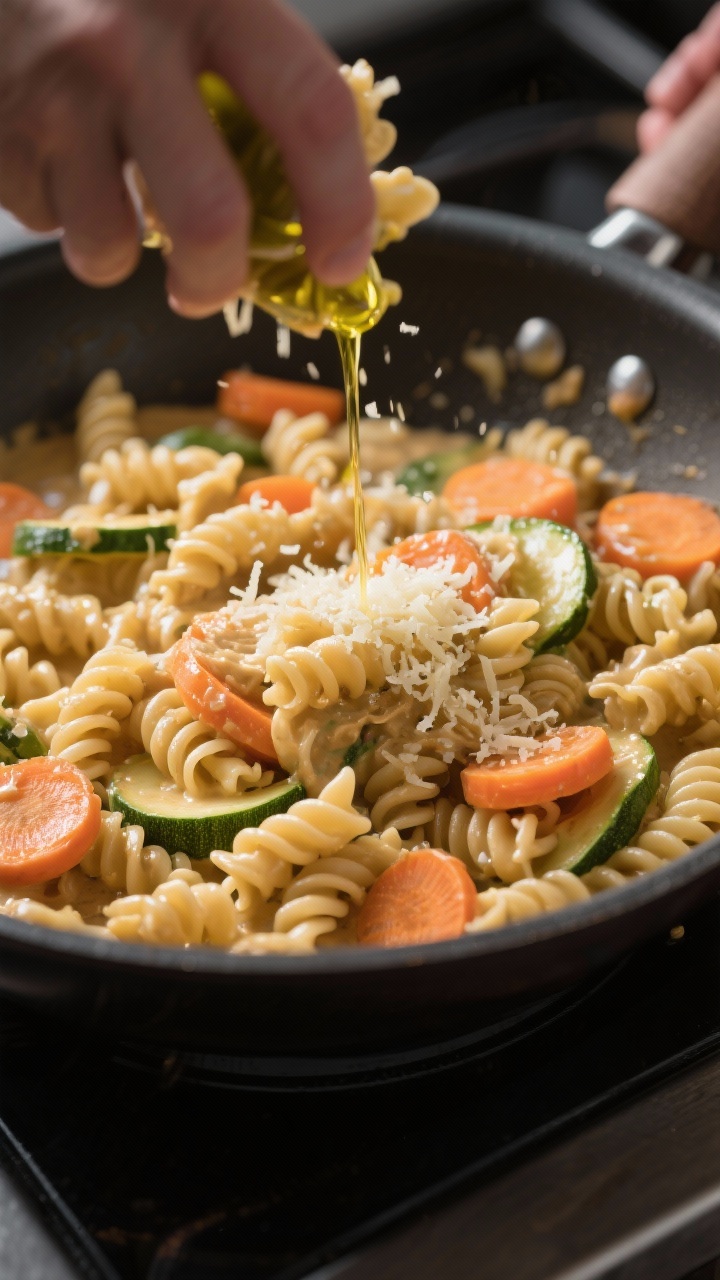
- Hummus Pasta Spirals: Toss small pasta shapes with hummus and a splash of pasta water. Fold in steamed carrots and zucchini.
Finish with olive oil and a tiny sprinkle of mild cheese.
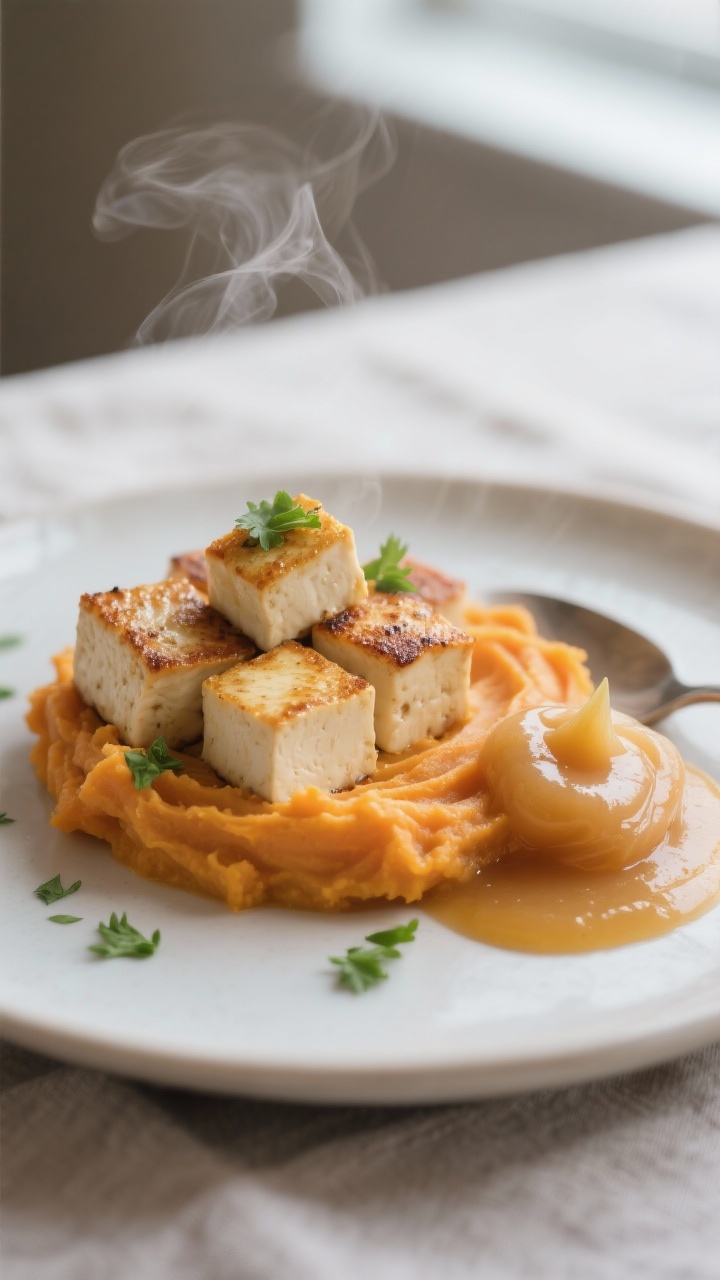
- Tofu & Sweet Potato Mash: Pan-sear tofu cubes in olive oil until lightly golden. Serve alongside mashed sweet potato and a dollop of applesauce. Let them mix—mess is part of the charm.
- Salmon & Avocado Soft Tacos: Flake canned salmon (low sodium) with a bit of yogurt and lemon.
Spread onto a warm mini tortilla with avocado mash. Cut into triangles.
- Turkey Meatball Snack Plate: Warm mini turkey meatballs (homemade or low-sodium store-bought). Add cucumber sticks (peeled), quartered cherry tomatoes, and soft bread with cream cheese.
- Yogurt Parfait Lunch: Layer Greek yogurt with mashed berries and crushed whole grain crackers.
Serve with a side of steamed apple slices for extra bites.
- Quinoa Veggie Cakes: Mix cooked quinoa with egg, finely chopped spinach, and cheese. Pan-cook small patties until set. Serve with mild salsa or yogurt dip.
- Oatmeal Finger Squares: Press leftover oatmeal into a dish, chill, then pan-sear squares in butter until lightly crisp.
Serve with cottage cheese and soft fruit.
- Cheesy Bean Quesadilla: Spread mashed white beans on a tortilla, add mild cheese, fold, and warm until melty. Cut into small wedges with a side of mango.
Storage Tips
- Fridge: Keep cooked grains, roasted veggies, and proteins in separate airtight containers for 3–4 days. Portion into tiny meal-prep cups for quick assembly.
- Freezer: Freeze meatballs, quinoa cakes, and oatmeal squares in a single layer, then store in bags for up to 2 months.
Reheat until piping hot and let cool before serving.
- Fruit & Veg: Pre-steam harder produce (carrots, apples) and refrigerate. Slice soft fruits right before serving to avoid mush city.
- Safety: Reheat leftovers to steaming, then cool to warm. Always cut foods to safe sizes (pea-sized or thin strips) to minimize choking risk.
Nutritional Perks
- Protein for growth: Eggs, yogurt, beans, tofu, and salmon support muscle and brain development.
- Iron matters: Turkey, beef, beans, and fortified grains help prevent deficiency—pair with vitamin C foods (tomato, berries) to boost absorption.
- Healthy fats: Avocado, olive oil, and salmon nurture brain and eye health.
Don’t fear the drizzle.
- Fiber & micronutrients: Veggies, fruits, and whole grains keep digestion happy and fill in vitamin gaps.
- Balanced plates: Aim for 1–2 tablespoons of each component and let your child lead intake. Appetite changes daily—totally normal.
Don’t Make These Errors
- Serving hard, round, or sticky foods as-is: Avoid whole grapes, large blueberries, cherry tomatoes, or big globs of nut butter. Quarter, smash, or thin with yogurt.
- Oversalting: Toddlers don’t need much sodium.
Flavor with herbs, lemon, and olive oil instead.
- Too dry textures: Dry meat or bread equals instant rejection. Add dips, yogurt, or a drizzle of oil to help.
- Huge portions: Big piles overwhelm. Offer small amounts and refill if they’re still hungry—low drama, high success.
- Giving up after one try: It can take 10–15 exposures for new foods to “click.” Keep it chill and keep offering.
Mix It Up
- Seasoning swaps: Try mild curry powder, garlic powder, smoked paprika, or cinnamon on sweet potato.
Keep it gentle but interesting.
- Dip bar: Hummus, yogurt-tahini, avocado mash, or thinned peanut butter. Dips = engagement—science (okay, experience) says so.
- Temperature play: Some toddlers prefer warm pasta but cold peas. Offer both; you might unlock a new favorite.
- Theme plates: “Green lunch” (peas, avocado, spinach pasta) or “orange lunch” (carrots, sweet potato, mango).
Color sells.
- Allergy-friendly: Swap dairy yogurt for coconut or soy, use seed butter instead of peanut butter, try lentil pasta for extra protein.
FAQ
How much should a 1-year-old eat at lunch?
Think 1–2 tablespoons of each food group to start. Let them ask for more with gestures or sounds. Trust appetite cues—some days they’re hungry hippos, other days… not.
Is it safe to serve allergens like peanut or egg at lunch?
Yes, if already introduced without reaction.
Offer small amounts, well-incorporated (e.g., thinned peanut butter in yogurt, well-cooked egg). When introducing new allergens, do so earlier in the day when you can monitor.
What are the top choking hazards to watch?
Whole grapes, cherry tomatoes, hot dogs, nuts, popcorn, large balls of sticky foods, and hard raw veggies. Cut into very small pieces, quarter spherical foods, and cook hard produce until soft.
Can I pack these for daycare?
Absolutely.
Choose low-mess options like quinoa cakes, mini meatballs, soft fruit, hummus pasta, and steamed veggies. Include an ice pack and label everything like the pro you are.
How do I handle a kid who refuses veggies?
Keep offering tiny portions alongside favorites. Mix into eggs, pasta, or patties, and serve with dips.
Stay calm—no pressure, no bribes—just consistent exposure. FYI, it works.
Do I need to add salt or sugar?
Nope. Use herbs, lemon, olive oil, and natural sweetness from fruit.
Their taste buds are fresh out of the box; simple flavors are plenty exciting.
What if my toddler throws food?
Offer smaller portions, slower. Remove the plate for 30 seconds after tossing, then try again. End the meal if they’re clearly done—toddlers aren’t subtle.
Can I use leftovers from dinner?
Totally.
Shred, chop, or mash to safe sizes and textures. Think: leftover roasted chicken, soft veggies, and rice reinvented as a new bowl with yogurt or hummus.
The Bottom Line
Your 1-year-old’s lunch doesn’t need to be Pinterest-perfect; it needs to be soft, safe, and balanced. Pick a protein, a carb, and a fruit or veg, add a little healthy fat, and keep flavors simple but not bland.
Rotate ideas, keep portions small, and let your toddler lead the way. You’ve got this—and if peas fly, that’s just part of the story. IMO, the wins add up fast.
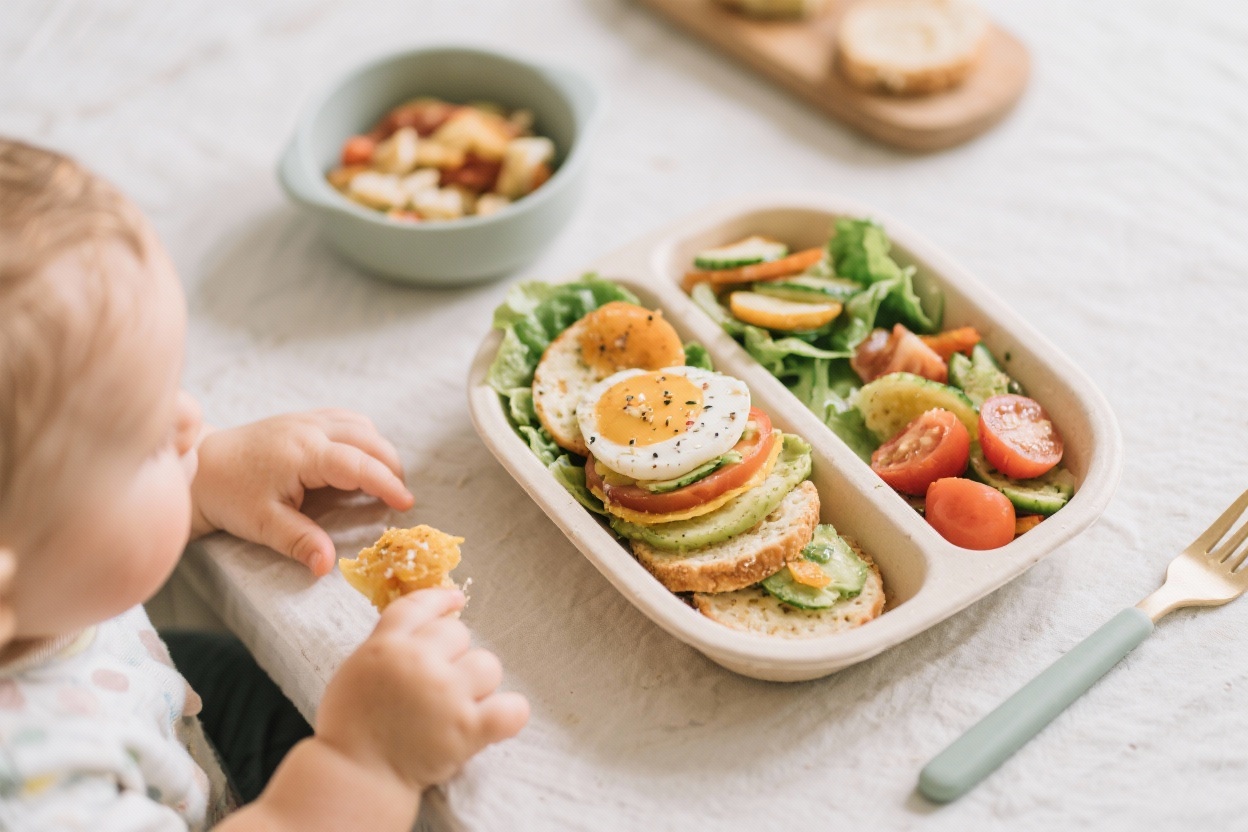
Toddler Lunch Blueprint
Ingredients
Method
- Prepare small pieces of each component (protein, carb, produce) depending on the selected recipes.
- Cook soft scrambled eggs in a little unsalted butter.
- Pan-sear tofu cubes in olive oil until lightly golden.
- Steam or roast vegetables like carrots and zucchini until soft.
- Warm the mini tortillas and pita bread before filling to enhance flavor.
- Fill whole wheat pita with shredded chicken, mashed avocado, and steamed peas. Cut into toddler-friendly strips.
- Serve soft scrambled eggs over warm rice with spinach and yogurt. Add lemon juice for taste.
- Toss soft pasta shapes with hummus and a little pasta water, then fold in steamed veggies.
- Mix flaked canned salmon with yogurt and lemon juice, spreading on mini tortillas with avocado mash.
- Create a turkey meatball snack plate with cucumber sticks, cherry tomatoes, and soft bread with cream cheese.
- Layer Greek yogurt with mashed berries and crushed whole grain crackers for a parfait.
- Mix cooked quinoa with egg, spinach, and cheese for veggie cakes, served with salsa.
- Press leftover oatmeal into a dish, chill, cut into squares, and pan-sear until crisp.
- Spread mashed white beans on a tortilla, add mild cheese, and warm for a cheesy quesadilla.
Notes
