Skip the mealtime negotiation and the sad, half-eaten sandwich boomerang. Parents don’t need another lecture on balanced meals—they need fast, fun, guaranteed wins. Here’s the play: build lunches that look like treats, eat like fuel, and take less time than finding a clean water bottle.
These kids lunch ideas for home are simple, colorful, and flexible, so you can swap stuff in and out without losing your mind. The secret sauce? Structure plus creativity.
You bring the ingredients—you’ll get back empty plates.
Why This Recipe Works
This “recipe” is really a modular system with five hits in every lunch: protein, fiber, produce, crunch, and a “fun bite.” Kids see variety; you see nutrition. Win-win.
We lean on familiar flavors—think pizza, tacos, nuggets—but rebuild them with better ingredients and faster methods. That means less fuss and more eating.
Everything is batch-friendly and fridge-stable, so you cook once and assemble all week.
Fewer decisions, fewer dishes, fewer meltdowns. Yours and theirs.
Plus, it’s mix-and-match. Allergies?
Picky phases? No problem. The framework adapts without tanking the whole plan.
What Goes Into This Recipe – Ingredients
- Proteins: Rotisserie chicken, turkey slices, canned tuna or salmon, hard-boiled eggs, hummus, black beans, edamame, Greek yogurt, mini meatballs, tofu cubes.
- Carbs & Grains: Whole-wheat tortillas, mini pitas, rice (white or brown), quinoa, whole-grain pasta, sourdough or soft bread, crackers.
- Fruits & Veggies: Baby cucumbers, bell pepper strips, cherry tomatoes, shredded carrots, snap peas, avocado, apple slices, berries, mandarin oranges, corn.
- Dairy & Alternatives: Cheese sticks, shredded mozzarella, feta crumbles, cream cheese, plant-based cheese if needed, kefir.
- Sauces & Spreads: Marinara, pesto, ranch or Greek yogurt ranch, salsa, guacamole, peanut butter or sunflower seed butter, honey, soy sauce or tamari.
- Crunch & Fun: Popcorn, pretzels, roasted chickpeas, seaweed snacks, pita chips, granola, dark chocolate chips (for trail mix), raisins.
- Seasonings: Everything bagel seasoning, taco seasoning, garlic powder, lemon juice, olive oil, salt and pepper.
The Method – Instructions
- Choose a theme for the day: pizza, taco, bento, pasta, or snack plate.Themes reduce decision fatigue and make kids curious.
- Build the base: tortilla, rice, pasta, or a divided plate. Keep portions small and friendly—tiny piles beat giant servings every time.
- Add a protein: shredded chicken, beans, meatballs, or tofu. Aim for one palm-sized serving per kid.
- Layer in color: 2 different fruits/veggies minimum.Slice thin or offer dips to make it “fun to eat.”
- Offer a dip or sauce: ranch, salsa, yogurt, or marinara. Dips = compliance. Science probably agrees.
- Add crunch: popcorn, pretzels, or roasted chickpeas.Crunch signals “snack vibes” even in a balanced meal.
- Place a small “fun bite”: a couple chocolate chips in a DIY trail mix, or a mini muffin. Keep it small, not banned. Scarcity > sugar spikes.
- Serve family-style when possible: let kids assemble wraps, tacos, or mini pizzas.Autonomy = better eating.
- Batch smart: boil a dozen eggs, roast a sheet pan of chicken and veggies, cook a pot of rice or pasta on Sunday. Mix-and-match all week.
- Keep swaps handy: if a kid refuses one veg, offer a second option. Don’t beg—just swap.Low drama, high success.
How to Store
- Protein: Cooked chicken, meatballs, and tofu keep 3–4 days in airtight containers. Label with the date. Freeze extras in small portions.
- Grains: Rice, quinoa, and pasta store 4 days.Toss with a teaspoon of olive oil to avoid clumping.
- Veggies: Pre-cut carrots, cucumbers, and peppers last 4–5 days if stored with a paper towel to absorb moisture.
- Fruits: Cut apples stay crisp with a quick lemon-water dip. Berries do best rinsed right before serving.
- Dips & sauces: Yogurt-based dips last 3–4 days; marinara up to a week. Store in small lidded cups for easy grab-and-go.
- Assembly: Keep wet ingredients separate from crunchy items.Assemble wraps right before eating or pack components bento-style.
Nutritional Perks
- Protein + fiber keeps kids full and stable between meals. Think chicken + beans + veggies.
- Healthy fats from avocado, olive oil, and nuts help brain development and energy. Not optional, IMO.
- Color variety usually equals micronutrient diversity.Reds, greens, oranges—make the plate look like a party.
- Fermented dairy like kefir or yogurt can support gut health and immunity.
- Low added sugar means fewer crashes and more focus for schoolwork or play.
What Not to Do
- Don’t overcomplicate. Three to five components max. You’re not opening a restaurant in your kitchen.
- Don’t plate giant portions. Smaller servings get eaten; mountains get ignored.
- Don’t hide everything. Some stealth veggies are fine, but exposure matters. Keep a visible veg on the plate.
- Don’t guilt-trip. Food pressure backfires.Offer, rotate, repeat. No TED Talk at the table.
- Don’t forget hydration. Water or milk beats juice most days. Save juice for a treat or special add-on.
Variations You Can Try
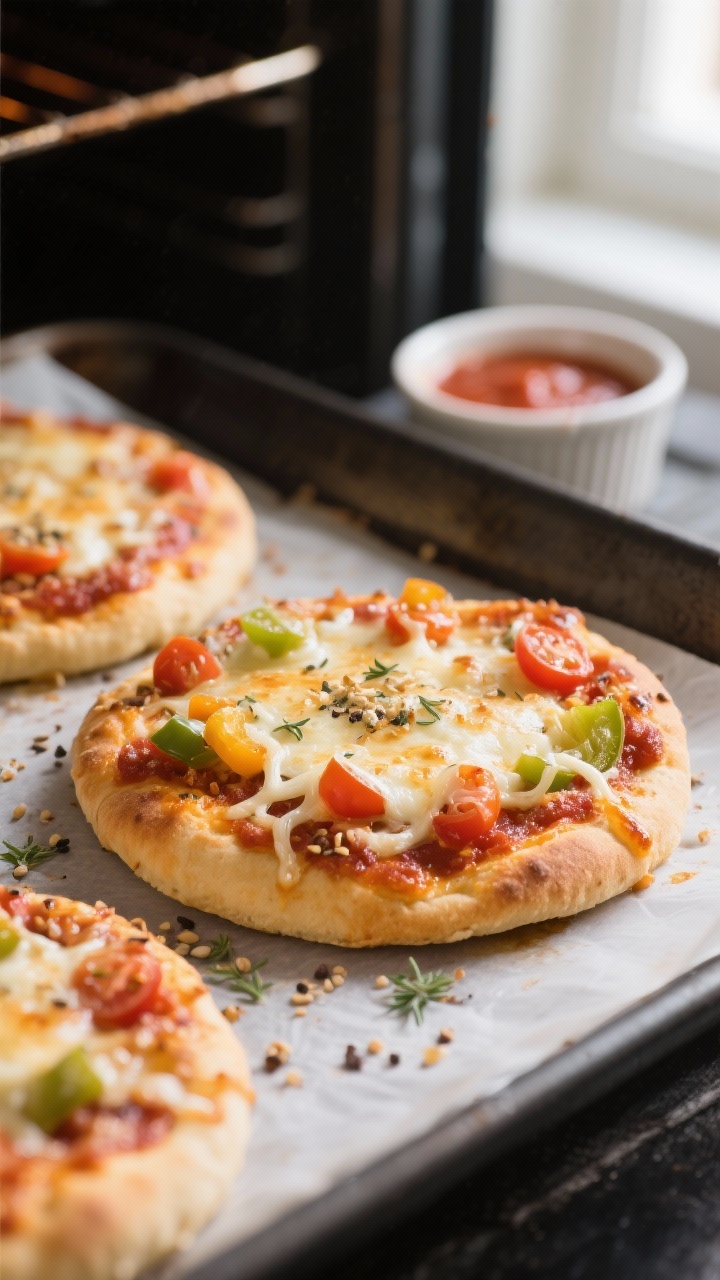
- Mini Pizza Pitas: Toast mini pitas, spread marinara, top with shredded mozzarella and finely chopped veggies.Broil 2–3 minutes. Serve with cucumbers and grapes.
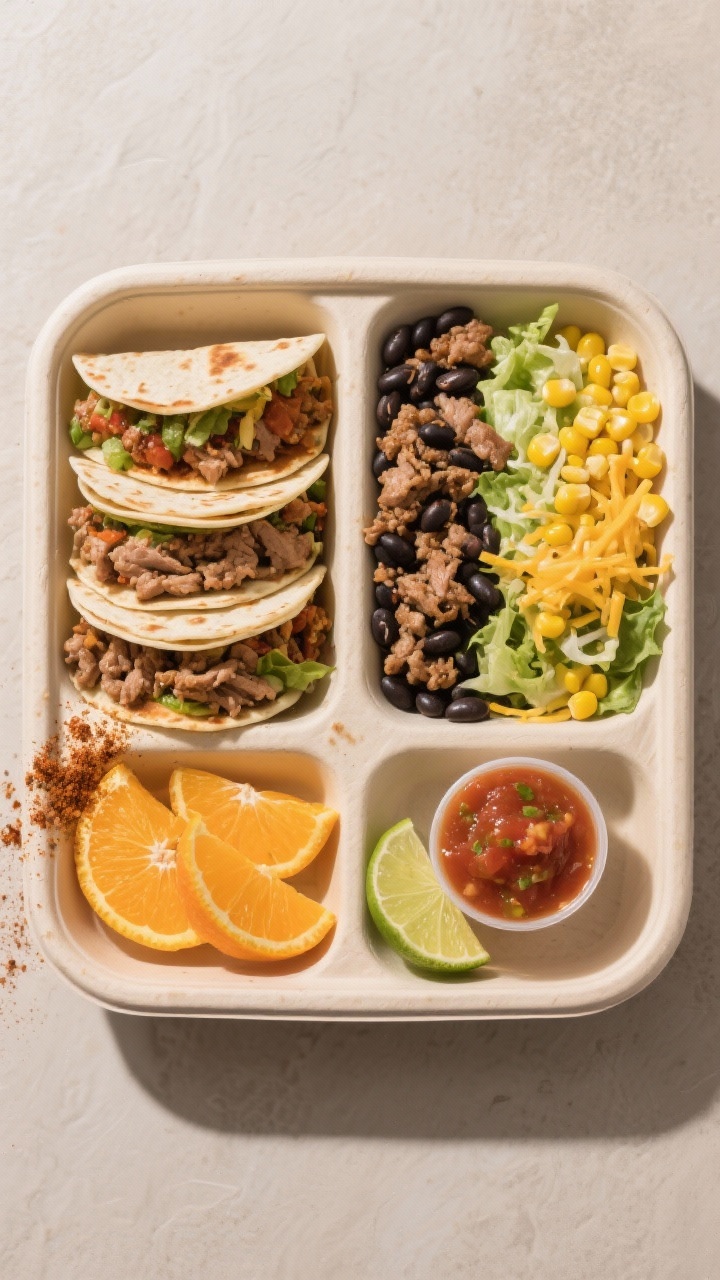
- Taco Bento: Seasoned ground turkey or black beans, mini tortillas, corn, shredded lettuce, cheese, and salsa. Let kids assemble.Add orange slices.
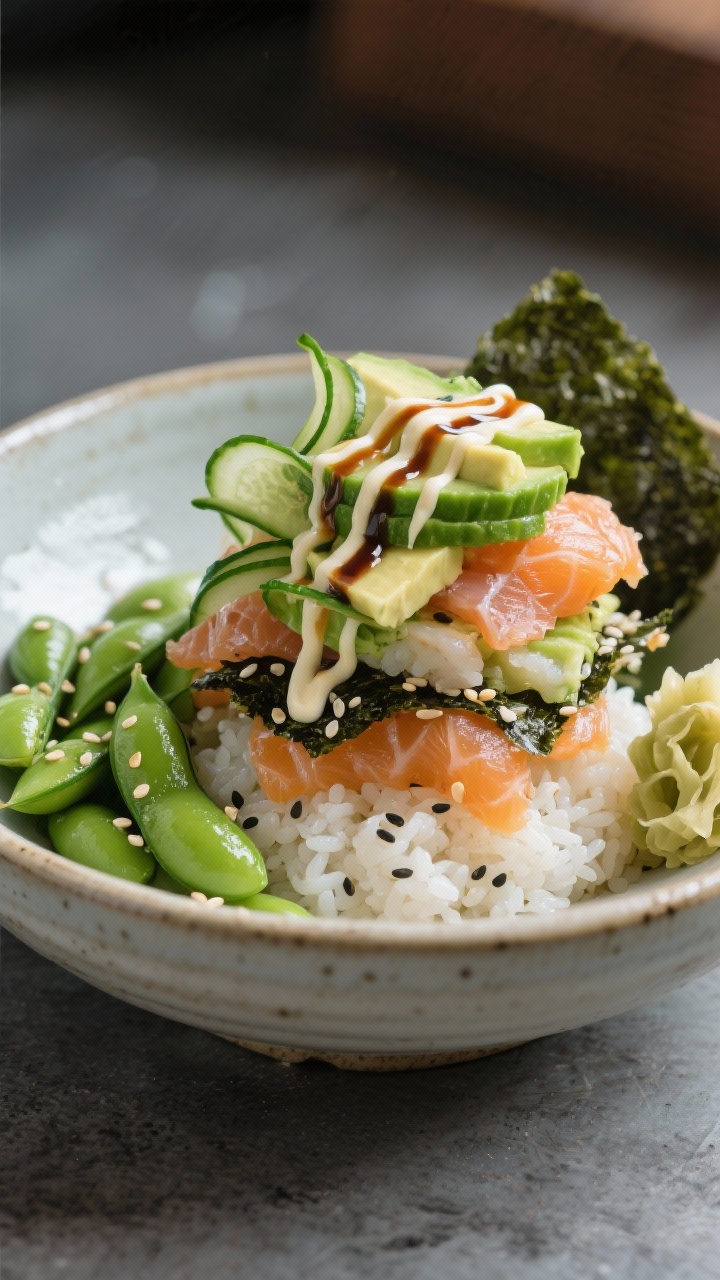
- Sushi-Stack Bowls: Rice, edamame, cucumber, avocado, nori strips, and soy/tamari. Add salmon flakes or tofu. Drizzle with a little mayo + soy mix.
- DIY Snack Plate: Turkey roll-ups, hummus, pretzels, cherry tomatoes, apple slices.A few chocolate chips mixed with raisins for dessert vibes.
- Pasta Primavera: Short pasta tossed with olive oil, peas, carrots, and chicken. Sprinkle parmesan. Side of berries and yogurt dip.
- Breakfast-for-Lunch: Mini waffles, scrambled eggs, strawberries, and yogurt.A tiny drizzle of maple for the waffles. FYI: It always hits.
- Rainbow Wraps: Whole-wheat tortilla with cream cheese or hummus, turkey, shredded carrots, bell peppers, and spinach. Roll tight, slice into pinwheels.
- Comfort Bowl: Quinoa, roasted sweet potato cubes, rotisserie chicken, broccoli, and a yogurt-ranch drizzle.Crunchy chickpeas on top.
FAQ
How can I make lunches faster on busy weekdays?
Batch-cook protein and grains on the weekend, pre-chop veggies, and keep dips in small containers. Create a “lunch station” in the fridge so kids can help grab components. Think assembly, not cooking.
What if my kid hates veggies?
Offer two choices daily and pair them with dips—ranch, hummus, or yogurt.
Keep portions tiny and consistent. You can also fold veggies into familiar items like mini pizzas or wraps while still serving a visible veg on the side.
How do I manage food allergies?
Use the same framework with safe swaps: sunflower seed butter for peanut butter, gluten-free wraps or rice bowls instead of bread, dairy-free cheese or hummus instead of cheese. Read labels and store allergen-free items separately.
Can I serve the same lunch every day?
You can, but rotate at least one element (fruit, veg, dip, or carb) to prevent boredom.
Kids love routine, but micro-variation keeps acceptance high.
What’s a healthy “fun bite” that isn’t just sugar?
Try mini muffins made with oats and banana, dark-chocolate-and-raisin trail mix, yogurt bark with fruit, or cinnamon-dusted popcorn. Keep it small and satisfying.
How much should I serve?
Start small: 1 palm of protein, 1/2 cup carb, 1/2–1 cup produce, and a small fun bite. Let them ask for more.
Kids are surprisingly good at self-regulating when not overwhelmed.
Any tips for picky eaters who only want beige foods?
Lean into texture and temperature: warm pasta with butter plus a sprinkle of parmesan, then add a tiny portion of a new food next to it. Use color in low-pressure ways—one strawberry, two cucumber coins. No battles.
How do I keep wraps from getting soggy?
Layer spreads like hummus or cream cheese first, then lettuce, then wet ingredients, so the greens act as a moisture barrier.
Pack juicy items and sauces separately if eating later.
What about budget-friendly options?
Use canned beans, frozen veggies, store-brand yogurt, and bulk rice or pasta. Rotisserie chicken stretches across multiple meals. Seasonal fruit is usually cheaper and tastier.
Final Thoughts
Kids lunch ideas for home don’t need complexity; they need a repeatable system with playful variety.
Keep the five-hit formula, batch the basics, and let kids customize. You’ll spend less time convincing and more time watching empty plates return. And if all else fails?
Breakfast-for-lunch is undefeated. Carry on, lunch legend.
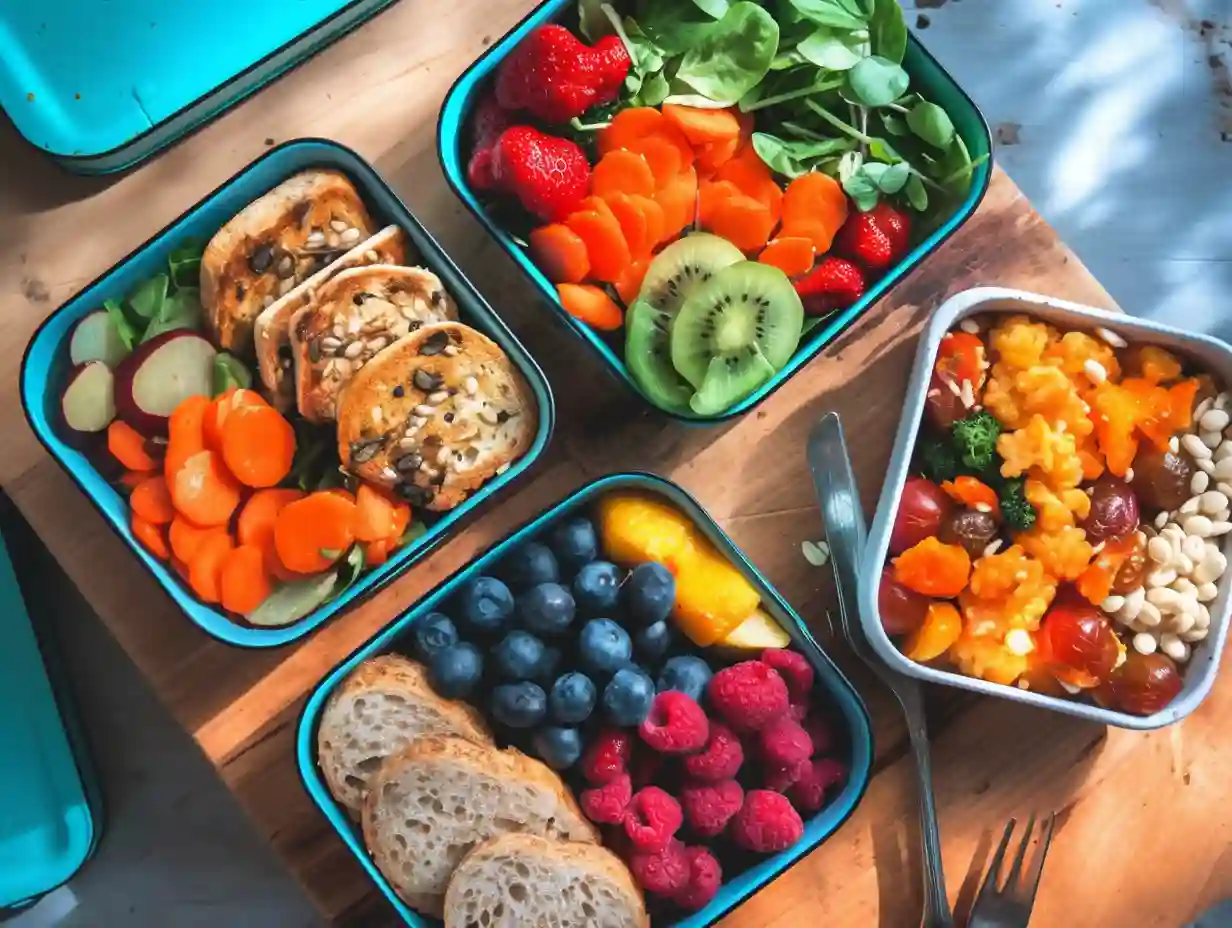
Fun and Nutritious Kids Lunches
Ingredients
Method
- Choose a theme for the day: pizza, taco, bento, pasta, or snack plate.
- Build the base: tortilla, rice, pasta, or a divided plate. Keep portions small and friendly.
- Add a protein: shredded chicken, beans, meatballs, or tofu.
- Layer in color: add at least two different fruits/veggies. Slice thin or offer dips.
- Offer a dip or sauce: ranch, salsa, yogurt, or marinara.
- Add crunch: popcorn, pretzels, or roasted chickpeas.
- Place a small “fun bite”: like chocolate chips in a trail mix, or a mini muffin.
- Serve family-style when possible to encourage kids to assemble their meals.
- Cooked proteins can be stored in airtight containers for 3-4 days; freeze extras.
- Grains like rice, quinoa, and pasta can be stored for 4 days.
- Pre-cut veggies can last 4-5 days if wrapped with a paper towel.
- Fruits should be cut and treated for freshness.
- Yogurt-based dips last about 3-4 days; marinara up to a week.
- Keep wet ingredients separate from crunchy items until ready to eat.
Notes
