
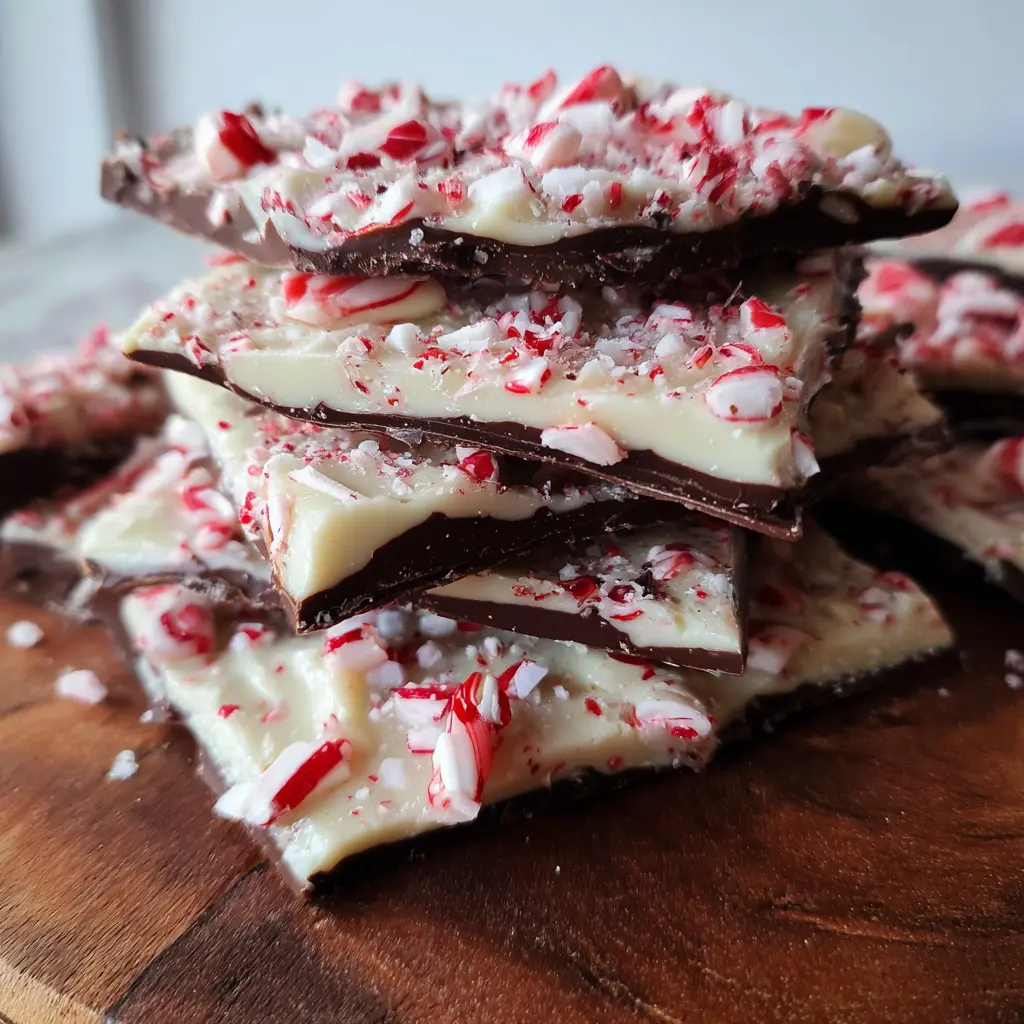
Embrace the holiday spirit with this delightful peppermint bark recipe! This classic seasonal treat brings joy with its vibrant layers and refreshing minty crunch. You only need five simple ingredients to create a stunning confection that sets quickly and looks incredibly festive. It’s the perfect sweet addition to your holiday cookie trays or thoughtful homemade gifts for friends and family.
Why You’ll Love This Peppermint Bark
Making this peppermint bark at home is incredibly rewarding. You control the quality, ensuring a fresh, delicious result every time.
- Festive and Eye-Catching: The distinct layers of dark and white chocolate, topped with bright red candy cane pieces, make this treat visually appealing.
- Consistently Popular: Peppermint bark is a beloved holiday staple that always disappears quickly from any dessert spread.
- Minimal Effort, Maximum Flavor: This is a no-bake recipe with just a few basic ingredients, making it ideal for busy schedules.
- Irresistible Texture: Enjoy the smooth, melt-in-your-mouth chocolate layers perfectly complemented by the delightful crunch of candy canes.
- Family-Friendly Minty Taste: The balanced peppermint flavor is a hit with kids and adults alike, evoking classic holiday memories.
Ingredients
Gather these simple ingredients to create your festive peppermint bark recipe:
- 12 ounces (339g) white chocolate, coarsely chopped and divided
- 6 ounces (170g) semi-sweet or bittersweet chocolate, coarsely chopped
- 1 and 1/2 teaspoons vegetable oil or coconut oil, divided
- 1/2 teaspoon peppermint extract, divided
- 2–3 regular-size candy canes (24–36g total), crushed
Notes & Substitutions
- Best Chocolate: Always use high-quality chocolate bars for the smoothest melt and best flavor. Brands like Ghirardelli, Guittard, or Baker’s chocolate bars are excellent choices.
- Avoid Chocolate Chips/Morsels: Chocolate chips contain stabilizers that prevent them from melting smoothly, making your bark grainy.
- Skip Candy Melts: While easy to melt, candy melts often have an artificial flavor that detracts from the true chocolate experience.
- Oil Purpose: The small amount of oil helps thin the melted chocolate slightly, making it easier to spread smoothly and preventing the bark from crumbling when broken.
- Peppermint Extract vs. Oil: Peppermint oil is much more potent than extract. Use only a tiny drop if substituting oil, or it will overwhelm the flavor.
- Adjusting Layers: You can easily adapt this recipe to have just two chocolate layers, or change the order of the dark and white chocolate to suit your preference.
Equipment
You’ll need just a few basic kitchen tools to make this delightful peppermint bark:
- 8 or 9-inch square baking pan OR a large baking sheet
- Parchment paper or aluminum foil
- Small heatproof bowls or liquid measuring cups
- Silicone spatula or spoon
- Rolling pin or meat mallet
Instructions
Creating this homemade peppermint bark is a straightforward process. Follow these steps for perfect results every time.
Prepare Your Pan: Line the bottom and sides of an 8-inch or 9-inch square baking pan with parchment paper or aluminum foil. Smooth out any wrinkles. Alternatively, use a lined baking sheet if you prefer a thinner bark. Set the prepared pan aside.
Melt the First White Chocolate Layer: Place 6 ounces of the coarsely chopped white chocolate in a small heatproof bowl or liquid measuring cup. Add 1/2 teaspoon of vegetable or coconut oil. Microwave the chocolate in 20-second increments, stirring vigorously with a silicone spatula or spoon after each interval. Continue until the chocolate is completely melted and smooth. Be careful not to overheat it. Stir in 1/4 teaspoon of the peppermint extract. Pour this melted white chocolate into your prepared baking pan. Use an offset spatula or spoon to spread it into a thin, even layer. Refrigerate the pan for 10–15 minutes, or until the white chocolate layer is almost completely set, but not fully hard. This partial setting helps prevent layers from separating.
Melt the Dark Chocolate Layer: Place the 6 ounces of semi-sweet or bittersweet chocolate in a separate small heatproof bowl. Add another 1/2 teaspoon of oil. Melt the dark chocolate using the same 20-second microwave increments, stirring after each, until it becomes smooth. Stir in the remaining 1/4 teaspoon of peppermint extract. Pour the melted dark chocolate evenly over the partially set white chocolate layer. Spread it smoothly. Return the baking pan to the refrigerator for another 10–15 minutes, again until this layer is almost completely set.
Melt the Second White Chocolate Layer & Top: Place the remaining white chocolate in a third small heatproof bowl. Add the last 1/2 teaspoon of oil. Melt it using the same microwave technique until smooth; do not add any peppermint extract to this layer. Pour this melted white chocolate over the dark chocolate layer and spread it evenly. Immediately and generously sprinkle the crushed candy canes over the wet white chocolate. To crush candy canes, place unwrapped candy canes in a sealed zipped-top bag and gently roll or bang them with a rolling pin or meat mallet until finely crushed.
Final Set and Break: Refrigerate the bark until it is completely firm, which usually takes about 1 hour. Once hardened, carefully remove the bark from the pan by lifting the parchment or foil. Peel off the lining. If the bark has chilled for an extended period (longer than 3-4 hours), let it sit at room temperature for 10–15 minutes to slightly soften before breaking or cutting. This helps prevent cracking and layer separation. Break or cut the peppermint bark into your desired size and shape pieces.
Pro Tips & Troubleshooting
Achieve perfect homemade peppermint bark every time with these helpful hints.
- Perfect Melting: Always melt chocolate in short bursts (20-30 seconds in the microwave), stirring well between each interval. This prevents scorching and ensures a smooth consistency.
- Preventing Layer Separation: The key is chilling each layer just until it’s almost set, not completely hardened. This allows the layers to bond together as they fully cool.
- Achieving Smooth Spreading: An offset spatula works wonderfully for spreading chocolate into thin, even layers. You can also gently tilt the pan to help the chocolate spread evenly.
- Crushing Candy Canes: For easy crushing, place unwrapped candy canes in a sturdy freezer bag, squeeze out the air, and use a rolling pin or meat mallet. Don’t over-crush into a powder.
Serving, Storage, & Variations
This festive peppermint bark is wonderfully versatile for holiday entertaining and gifting.
Serving Suggestions:
This classic treat is perfect for holiday dessert platters, adding a refreshing crunch and beautiful color. Package pieces in festive bags or tins for delightful edible gifts that everyone will appreciate. It also makes a thoughtful hostess gift.
Storage Instructions:
Store your homemade peppermint bark in an airtight container in the refrigerator for up to 3 weeks. In cooler climates, you can keep it at room temperature for a few days, but the refrigerator helps maintain its firm texture and prevents melting.
Flavor Variations:
Get creative by swapping out the peppermint extract. Try orange extract for a chocolate orange bark, or almond extract for a nutty twist. Vanilla extract can also enhance the chocolate flavor.
Topping Variations:
Instead of just candy canes, consider adding other fun toppings. Drizzle with extra melted chocolate, sprinkle with holiday sprinkles, or add crushed nuts like pistachios for a different texture and color.
Layer Variations:
Feel free to make a two-layer bark by simply omitting the second white chocolate layer. You can also reverse the order, starting with dark chocolate on the bottom and topping with white.
Recipe Adaptations:
Use the flavors of this delicious peppermint bark recipe in other treats! Consider making peppermint bark fudge or incorporating crushed bark into cookies or brownies for an extra festive touch.
Nutrition
Enjoying a piece of homemade peppermint bark is a delightful treat. Here’s a general nutritional overview per serving:
| Nutrient | Amount (approx.) |
|---|---|
| Calories | 120-150 |
| Total Fat | 8-10g |
| Saturated Fat | 5-7g |
| Cholesterol | <5mg |
| Sodium | <10mg |
| Total Carbohydrates | 15-20g |
| Sugars | 12-18g |
| Protein | 1-2g |
Note: Nutritional values are approximate and can vary based on specific brands of chocolate and exact portion sizes. This table serves as a general guideline.
FAQ
You’ve got questions about making the best peppermint bark, and we have answers!
- What kind of chocolate works best for peppermint bark? Always choose high-quality chocolate bars (like Ghirardelli or Guittard) for the best flavor and smoothest melt, avoiding chocolate chips or candy melts.
- How do I prevent the layers from separating? Chill each chocolate layer only until it is almost set, not completely hard, before adding the next. This allows the layers to bond properly.
- Can I use peppermint oil instead of extract? Peppermint oil is much more concentrated than extract. If you use oil, add just a tiny drop and taste carefully to avoid an overpowering mint flavor.
- What’s the best way to crush candy canes? Place unwrapped candy canes in a sealed freezer bag and use a rolling pin or meat mallet to gently crush them into small, uneven pieces.
- How long does homemade peppermint bark last? Store it in an airtight container in the refrigerator for up to three weeks to maintain freshness and prevent melting.
Conclusion
Making your own peppermint bark recipe at home is a wonderfully simple and rewarding holiday tradition. With just a few ingredients and straightforward steps, you can create a beautiful, delicious confection that embodies the festive spirit. This quick-setting, flavorful bark is perfect for gifting, sharing, or simply enjoying yourself. Get ready to impress everyone with this irresistible, minty sweet treat all season long!
