
Discover a wonderfully simple and creative activity that brings joy to crafters of all ages. This versatile salt dough recipe uses minimal ingredients you likely already have in your pantry, making it perfect for spontaneous fun. You can easily transform this pliable dough into countless creations, from cherished keepsakes to imaginative play figures. Whether you choose to air dry or bake your finished pieces, this craft promises delightful results.
Why You’ll Love This Salt Dough Recipe
This simple craft is a fantastic way to engage your family. Here’s why you’ll adore making this salt dough recipe:
- Minimal Ingredients: You only need flour, salt, and water, which are common kitchen staples.
- Engaging Activity: It provides a hands-on experience that captivates both children and adults.
- Boosts Development: Crafting with dough helps children enhance their creativity and fine motor skills.
- According to educational experts, engaging in arts and crafts activities significantly enhances children’s fine motor skills and creativity.
- Kid-Safe Craft: With supervision, this non-toxic dough is safe for little hands to explore and shape.
- Budget-Friendly Fun: It’s an inexpensive way to enjoy hours of creative playtime without breaking the bank.
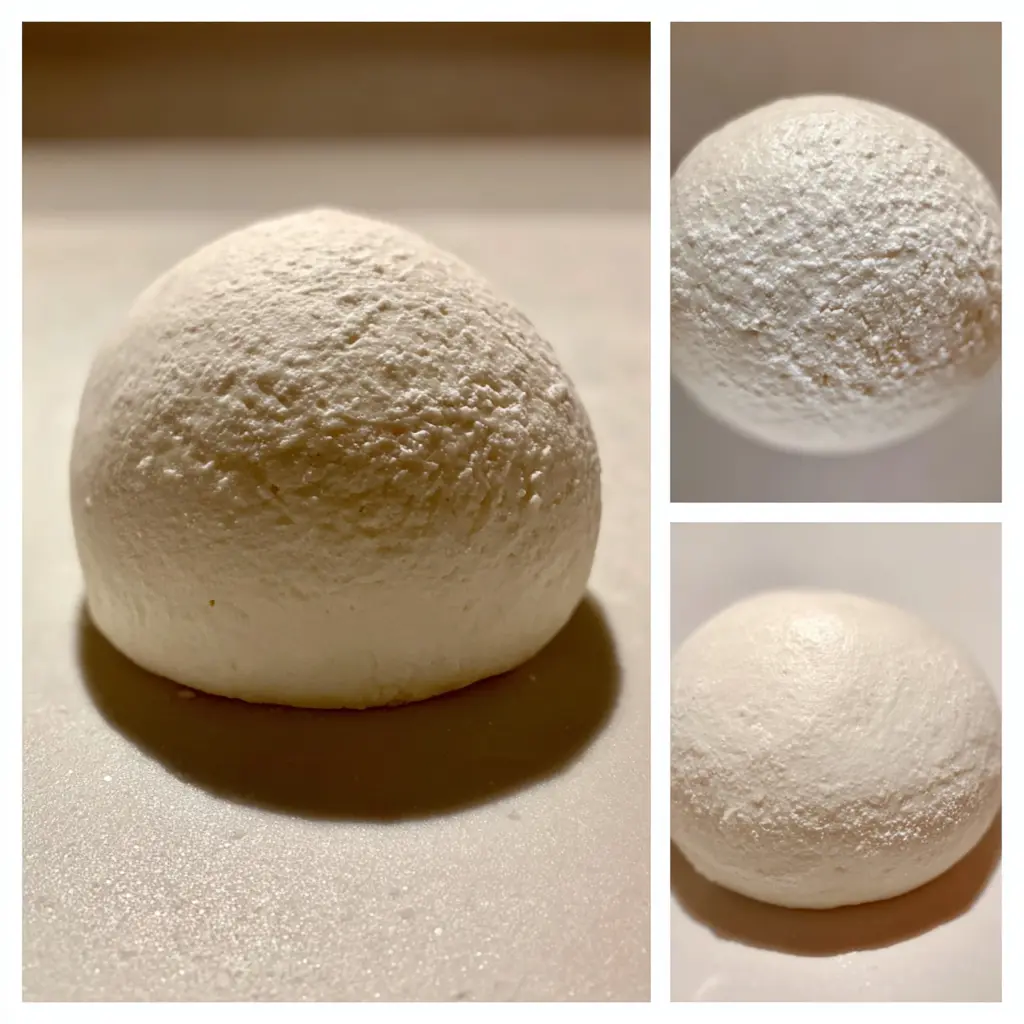

Easy 3‑Ingredient Salt Dough
Ingredients
Equipment
Method
- In a large mixing bowl, combine the flour and salt until evenly mixed. :contentReference[oaicite:1]{index=1}
- Slowly pour in the warm water, mixing continuously with a dough whisk or sturdy spoon as you add water. :contentReference[oaicite:2]{index=2}
- Once the mixture forms a shaggy ball, transfer it to a clean surface and knead for about 7–10 minutes until smooth and firm. Adjust with a little water or flour if needed. :contentReference[oaicite:3]{index=3}
- Shape into desired figures, ornaments, or keepsakes. Use cookie cutters, craft tools, or hands for creative designs. :contentReference[oaicite:4]{index=4}
- Let the shaped pieces air dry for several days until rock hard, or bake in a low oven (about 250°F / 120°C) for several hours until completely dry and firm. :contentReference[oaicite:5]{index=5}
- Once dry, paint and seal the creations if desired for display or keepsakes. :contentReference[oaicite:6]{index=6}
Notes
Ingredients
Gather these basic items to start your crafting adventure:
- 2 cups all-purpose flour (or 1:1 gluten-free flour)
- 1 cup fine grain salt (such as table salt)
- 1 cup warm water
Notes & Substitutions
The right ingredients make all the difference for a perfect salt dough recipe.
- Flour Types: All-purpose flour works best for its consistency. If needed, a 1:1 gluten-free flour blend can be a suitable alternative.
- Salt Type: Fine grain salt, like common table salt, integrates smoothly into the dough. Coarse salts may result in a bumpier texture.
- Water Temperature: Using warm water helps the salt dissolve more effectively, leading to a smoother, more pliable dough.
- Additions: Infuse extra fun by kneading in a few drops of food coloring or a dash of scented extracts like vanilla or peppermint.
- Small Batch Ratio: For a smaller project, scale down to 1/2 cup flour, 1/4 cup salt, and 1/4 cup water.
Equipment
You won’t need many specialized tools for this simple craft. Here’s a list of useful items:
- Large mixing bowl
- Dough whisk or sturdy spoon
- Measuring cups and spoons
- Rolling pin (a kid-sized one is great for little helpers)
- Cookie cutters, craft tools, or small knives
- Baking sheet (for baking)
- Parchment paper or aluminum foil
- Reusable tablecloth for easy cleanup
Instructions
Creating your salt dough recipe is a straightforward process, whether you’re making the dough or drying your finished crafts. Follow these steps for successful results.
Making the Salt Dough
- Combine Dry Ingredients: In a large mixing bowl, thoroughly combine the 2 cups of all-purpose flour and 1 cup of fine grain salt. Stir them well to ensure even distribution.
- Gradually Add Water: Pour in the 1 cup of warm water slowly, a little at a time. Mix continuously with a dough whisk or a sturdy spoon as you add the water.
- Form the Dough: Continue mixing until the ingredients come together and form a shaggy ball of dough. All the dry bits should be incorporated.
- Knead the Dough: Transfer the dough to a clean, lightly floured surface. Knead it for 7-10 minutes. This develops the dough’s structure, making it smooth, firm, and easy to work with, much like Play-Doh.
- Adjust Consistency: If your dough feels too dry and crumbly, add a few drops of water. If it’s too sticky, sprinkle in a teaspoon of flour until you reach the desired consistency.
Air Drying Salt Dough Crafts
Air drying is a simple, no-fuss method for hardening your creations.
- Prepare for Drying: Carefully place your shaped salt dough crafts on a wire rack or a breathable screen. This allows air to circulate around all sides, promoting even drying.
- Turn Regularly: To prevent warping and ensure consistent drying, turn your pieces every 12-24 hours. This helps all surfaces dry equally.
- Allow Ample Time: Air drying takes patience. Depending on the thickness of your crafts and the humidity of your environment, allow a minimum of 48 hours. Thicker pieces can take up to a week or more until they feel completely rock hard.
- Observe Appearance: Once fully dry, your salt dough crafts will have a matte, white, limestone-like appearance. They should feel very firm and lightweight.
Baking Salt Dough Crafts
Baking speeds up the drying process and provides a slightly different finish.
- Preheat Oven: Preheat your oven to a low temperature of 250°F (120°C). A slow, low bake prevents cracking and uneven drying.
- Arrange Crafts: Line a baking sheet with parchment paper or foil, then lightly oil it. Arrange your salt dough creations on the prepared sheet, leaving space between each piece.
- Bake and Turn: Place the baking sheet in the preheated oven. Bake your crafts, turning them every hour or so. The baking time will vary greatly depending on the thickness of your creations. Thin pieces might take 1-2 hours, while thicker items could require 3-6 hours or even more.
- Release Air: If you notice any areas of your dough puffing up during baking, carefully poke them with a needle or toothpick to release trapped air. This prevents bubbles and cracks.
- Check for Doneness: Continue baking until the crafts feel light golden brown and are completely firm and hard to the touch.
- Cool Completely: Once baked, remove the crafts from the oven and let them cool completely on a wire rack. They will harden further as they cool.
Pro Tips for Perfect Salt Dough
Achieve the best results with your salt dough recipe by keeping these helpful tips in mind.
- Adjusting Consistency: If your dough is too dry, add a tiny bit of water. If it’s too sticky, gradually knead in more flour until it reaches the ideal texture.
- Coloring Dough: For vibrant creations, mix food coloring directly into the warm water before adding it to the flour and salt. Alternatively, knead food coloring into portions of the finished dough.
- Joining Pieces: To attach separate pieces of dough, lightly moisten the surfaces with a small amount of water, then press them firmly together.
- Using Molds: Lightly grease silicone or plastic molds with cooking spray or oil before pressing the dough into them. This ensures easy release.
- Preventing Cracks: The key to crack-free crafts is slow and even drying. Avoid high oven temperatures or drying in direct, hot sunlight.
- Sealing Crafts: After drying, paint your creations with acrylic paints. Once the paint is dry, seal them with a clear varnish or an acrylic spray sealer for protection and a lasting finish.
- Non-Edible Warning: Always supervise young children while crafting. This dough is strictly for crafting and should never be consumed due to its high salt content.
Serving, Storage & Variations
This salt dough recipe offers endless creative possibilities and is easy to store for future projects.
- Craft Ideas: Let your imagination soar! Make festive ornaments, heartfelt handprint and footprint keepsakes, charming figurines, or miniature sculptures.
- Storing Unbaked Dough: If you have leftover dough or want to prepare it in advance, store the unbaked salt dough in an airtight plastic bag or container. Keep it in the refrigerator for up to 3 days to maintain freshness and pliability.
- Storing Finished Crafts: Once your salt dough crafts are fully dried and sealed, store them in a dry, cool place away from humidity. Properly sealed pieces can last indefinitely as cherished mementos.
- Variations: Add fun embellishments directly into the dough! Incorporate fine glitter for sparkle, a pinch of cinnamon or nutmeg for a warm scent, or a few drops of essential oils like lavender for a relaxing aroma.
- Textured Crafts: Press natural elements like leaves, twigs, small pebbles, or even textured fabrics into the rolled-out dough to create unique impressions before drying.
Nutrition
Salt dough is not for consumption.
This salt dough recipe is designed purely for crafting purposes. It contains a high concentration of salt, making it unsafe and unpalatable for eating. While considered non-toxic for supervised play, it has no nutritional value and should never be ingested.
| Item | Value |
|---|---|
| Calories | 0 |
| Protein | 0 |
| Fat | 0 |
| Carbohydrates | 0 |
| Sodium | Very High |
FAQ
You might have a few questions about making and using this popular craft material. Here are some common inquiries about our salt dough recipe.
Is salt dough safe to eat?
No, salt dough is not edible due to its extremely high salt content, which can be harmful if ingested.
How long does salt dough last?
Unbaked dough lasts 3-7 days in an airtight container in the fridge. Baked or air-dried crafts, if properly sealed, can last indefinitely.
Can you air dry salt dough?
Yes, air drying is a common method, but it can take 2-7 days depending on the craft’s thickness and room humidity.
Why is my salt dough sticky/crumbly?
If it’s sticky, add a little more flour. If it’s crumbly, add water a teaspoon at a time until it reaches the right consistency.
Can I add color to salt dough?
Yes, you can knead food coloring or natural dyes into the dough for vibrant creations.
What is the best way to seal salt dough?
After painting your crafts with acrylics, seal them with a clear varnish or an acrylic spray sealer for protection.
Conclusion
Embrace the simplicity and sheer joy that comes with crafting this easy salt dough recipe. It offers a wonderful opportunity to unleash creativity, transforming basic ingredients into cherished works of art. Gather your loved ones and enjoy a fun, educational activity that fosters imagination and fine motor skills. We encourage you to start creating today and share your unique salt dough creations with pride!
